🏔️🍯 Châtillon: The Gateway to the Matterhorn
🏔️🍯 Châtillon: The Gateway to the Matterhorn
There is a place in the Aosta Valley that has served as a gateway for centuries: a crossroads, a meeting point and a starting place for journeys towards the great Alpine peaks. Born along ancient Roman roads, later becoming home to noble families, a refuge for friars and a key stop for mountaineers heading to the Matterhorn, Châtillon is today much more than a place to pass through. It is a destination to experience, capable of telling its story through history, art and a modern vision of tourism.
🏰 Nobles, Friars and Mountaineers: The Origins of Châtillon
🏛️ Roman Origins
To truly understand Châtillon, one must begin with its origins, when the village was an essential stop along the ancient Roman Road of the Gauls. Its strategic importance came from the remarkable Roman bridge built to cross the deep gorge of the Marmore stream, an engineering masterpiece that still offers one of the most picturesque views in the town today.
🏨 Hotel Londres and Châtillon's Alpine Heritage
Overlooking this historic setting stands the former Hotel Londres, once a popular stop for mountaineers on their way to conquer the Matterhorn and now home to the Town Hall. This symbolic building reflects Châtillon's long-standing role as a crossroads of travellers, stories and ambitions.
The history of the village is closely linked to the Challant family, whose influence shaped the destiny of the region throughout the Middle Ages and the Renaissance.
🏰 The Challant Family and Ussel Castle
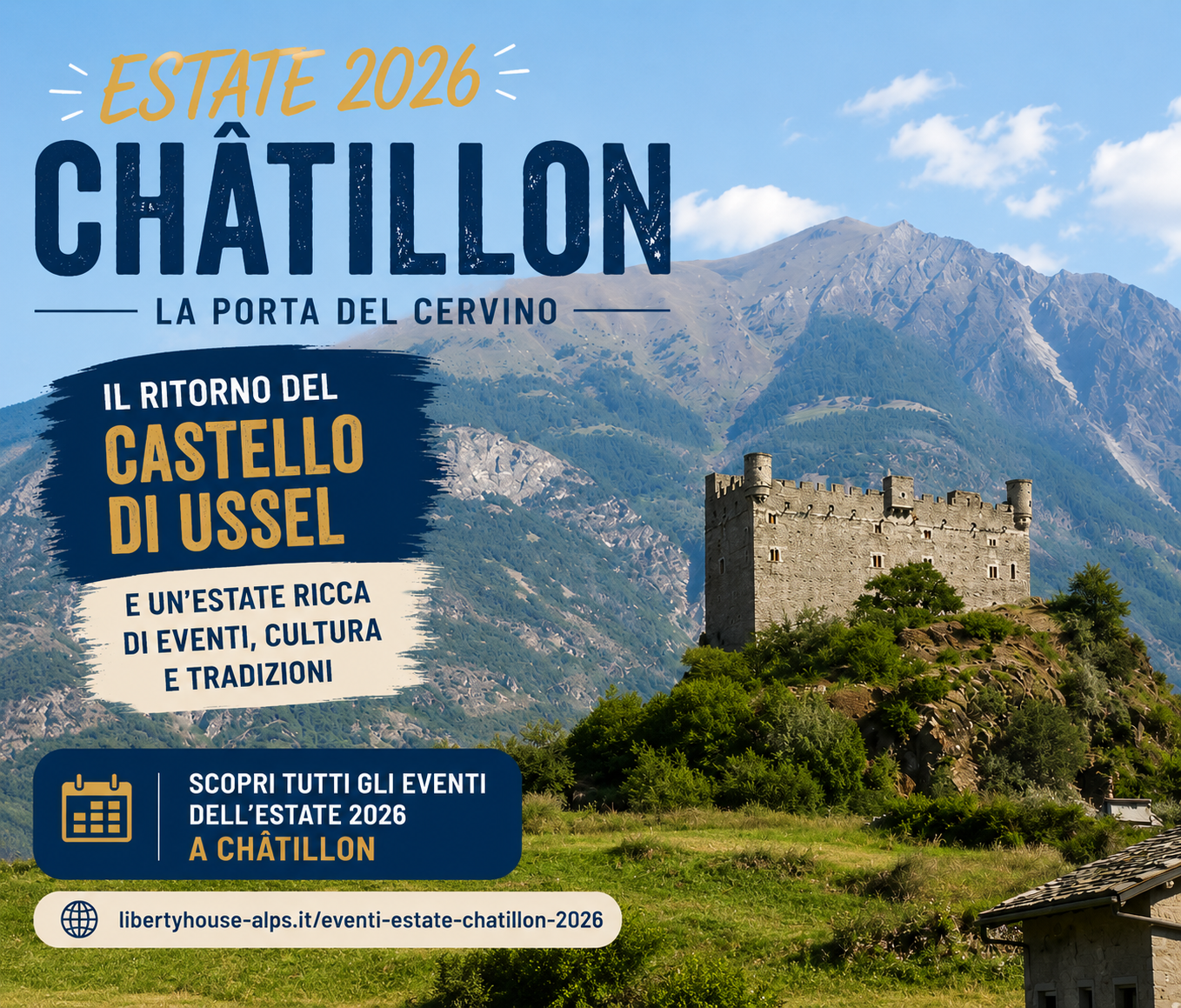
Among the most important landmarks is Ussel Castle, commissioned in the 14th century by Ebalo I of Challant. The first monoblock castle built in the Aosta Valley, it marked a turning point in the region's military architecture.
Today, Ussel Castle is owned by the Regional Government and managed by the Municipality of Châtillon. It has already hosted summer events in an extraordinary setting and is preparing to unveil new experiences for visitors and businesses alike.
✝️ The Capuchin Convent
Another key member of the Challant family was Paolo Emanuele di Challant, who donated his residence to the Capuchin friars in 1633 for the establishment of a convent. Between 1635 and 1642 the convent and chapel, dedicated to Saint Francis of Assisi, were rebuilt.
The chapel still features a finely carved wooden altar and the coats of arms of the Challant and Passerin d’Entrèves families. After being suppressed during the French Revolution and later used for military purposes, the convent returned to its religious role in 1895 and today hosts the only Capuchin community in the Aosta Valley.
⛪ The Church of Saints Peter and Paul
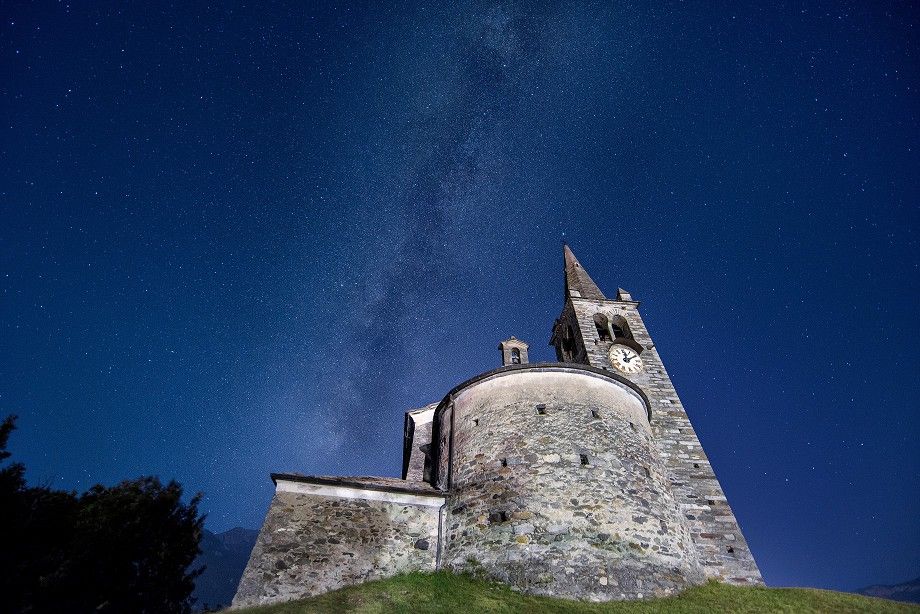
The Church of Saints Peter and Paul dates back to the 12th century. The original Romanesque presbytery survives today as the Chapel of the Sacred Heart, beneath which visitors can still explore the medieval crypt.
Beside the church stands its impressive bell tower, featuring a 14th-century base, 16th-century frescoes and a stone portal dating from 1607.
🌳 Passerin d’Entrèves Castle
Behind the church, surrounded by a centuries-old park, stands Passerin d’Entrèves Castle. Privately owned and open only on special occasions, the castle is surrounded by nearly two hectares of protected parkland featuring remarkable historic trees.
🎨 Artists, Beekeepers and Events: The Present and Future of Châtillon
Throughout the 20th century, Châtillon underwent a profound transformation. From an industrial centre and transit point, it gradually developed its own tourism identity, initially in the shadow of nearby Saint-Vincent and today increasingly independent.
The symbol of this transformation is Gamba Castle. Visiting Châtillon without seeing it is a little like visiting Milan without entering the Duomo.
🎨 The Regional Museum of Modern and Contemporary Art
Today, the castle houses the Regional Museum of Modern and Contemporary Art, featuring thirteen exhibition rooms.
Its permanent collection includes works by Martini, Mastroianni, Manzù, Arnaldo and Giò Pomodoro, as well as paintings by Casorati, De Pisis, Carrà and Guttuso.
The temporary exhibition spaces have recently hosted works by Michelangelo Pistoletto and currently feature the exhibition Mariella Bentivoglio – Contemporary Restoration. Hyper Ovum.
🌳 An English-Style Park Between Art and Nature
What makes Gamba Castle truly unique is the vast English-style park that surrounds it. Covering more than 50,000 square metres, it is home to approximately 150 trees of different species.
Over the years, the park has hosted concerts by artists such as Bob Dylan and performances of Verdi's Aida, staged by the Corps Philharmonique de Châtillon together with internationally renowned opera singers and Soviet ballet dancers.
Today, it represents a remarkable meeting point between art, landscape and nature.
🎩 Corporate Events, Weddings and Gala Dinners at Gamba Castle
In addition to its cultural mission, Gamba Castle has become one of the most exclusive venues in the Aosta Valley for corporate events, weddings and gala dinners.
Its museum spaces and impressive park provide a spectacular setting for conferences, presentations, team-building activities, private concerts and receptions.
💡 Orbita and New Cultural Projects
The light installation Orbita, created by artist Massimo Uberti in 2022, further reinforces the castle's symbolic role as a cultural landmark.
New projects are already underway. In the coming weeks, the new Art Road will be inaugurated, connecting the historic centre to Gamba Castle through a scenic route enhanced by reproductions of some of the museum's most iconic artworks.
🍯⚡👨🍳 Honey, Innovation and Education in Châtillon
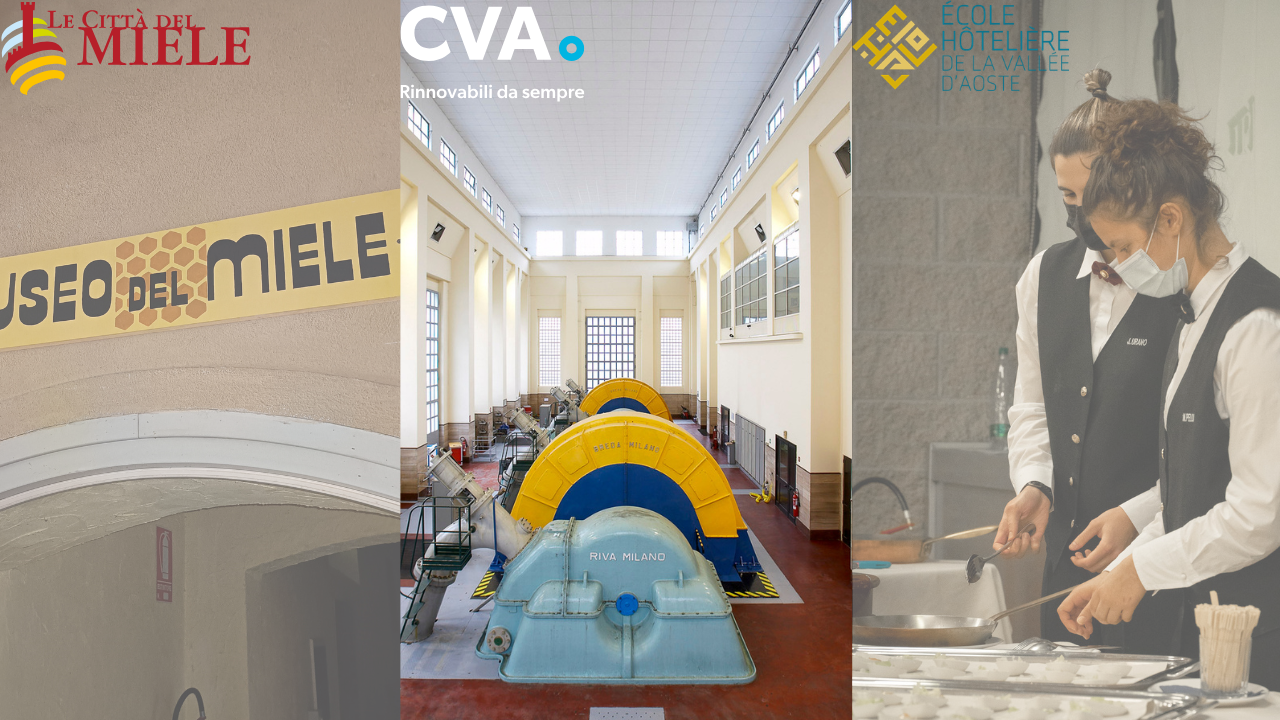
🍯 The Honey Museum and Beekeeping Tradition
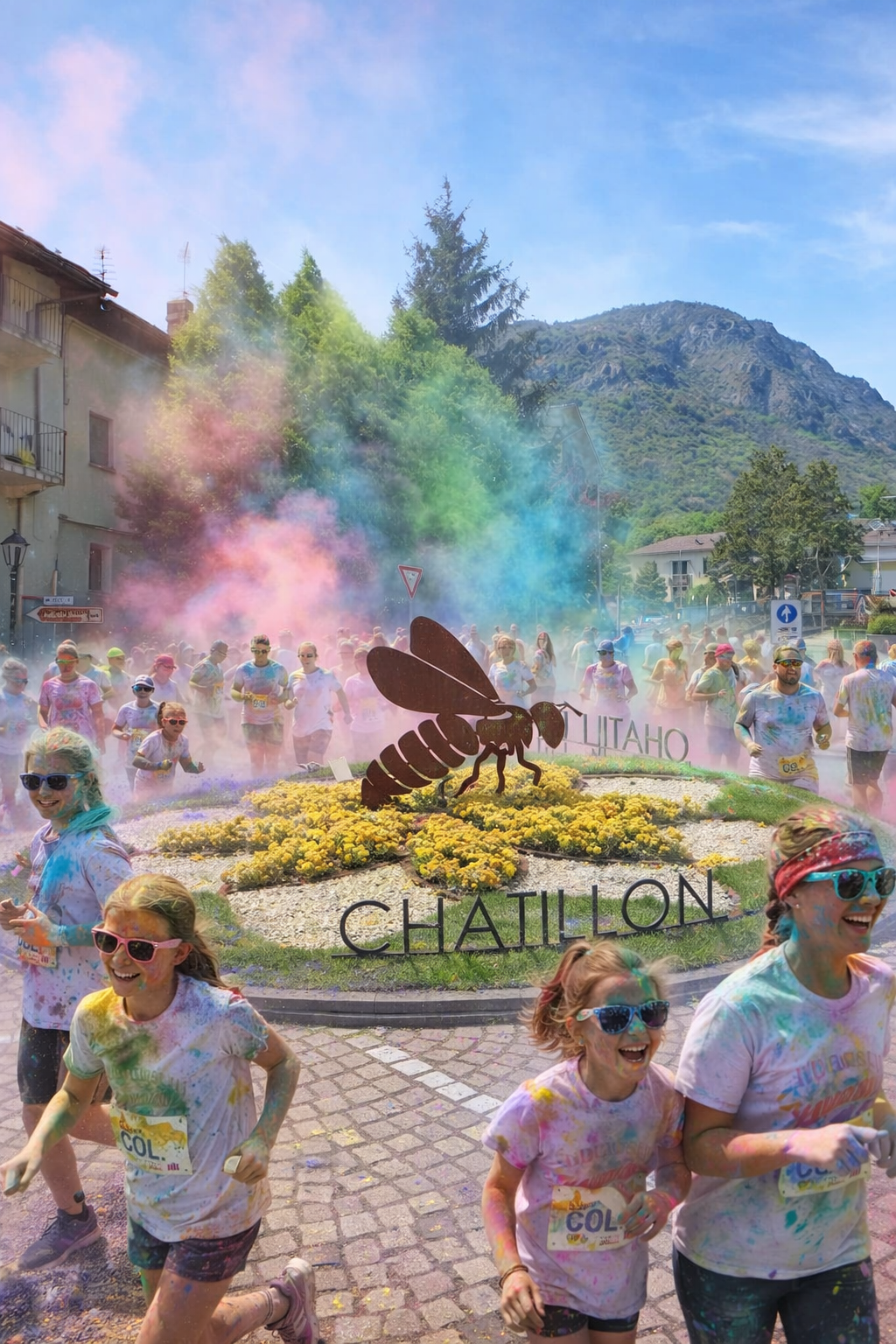
This cultural vision extends to other symbolic places within the historic centre, including the wooden sculptures in the Town Hall courtyard, a tribute to local craftsmanship, and the entrance to the Honey Museum, where local producers share stories of hard work, respect for animals and the challenges posed by climate change.
⚡👨🍳 CVA Energy Hub and the École Hôtelière
Châtillon is also looking towards the future through innovation. Near the railway station, the new CVA headquarters and hydrogen production centre will soon become a symbol of the region's commitment to sustainable energy.
This project stands alongside another successful investment in the future, founded in 1989: the École Hôtelière de la Vallée d’Aoste, now one of the leading institutions for tourism and hospitality education in the region.
Today, Châtillon successfully combines its historical heritage with innovation, culture and hospitality, making it one of the most fascinating destinations in the Aosta Valley.
🚶♂️ Tourism in Châtillon: Growth, Opportunities and New Perspectives
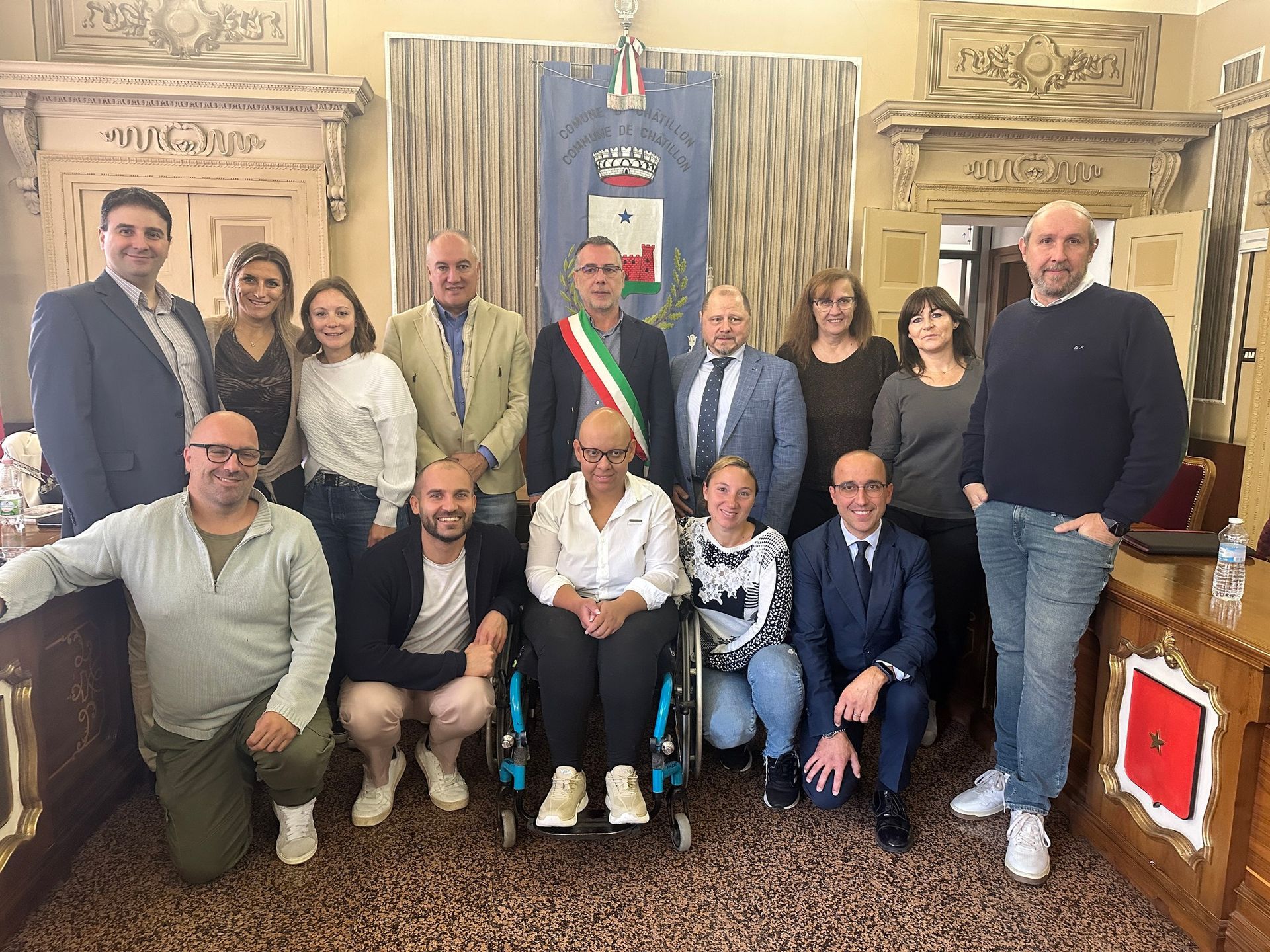
🗣️ A Message from Carla Rore, Councillor for Tourism
"Châtillon's tourism offering is constantly evolving. From hotels and chalets to holiday apartments, our accommodation sector continues to grow and diversify.
Today, Gamba Castle is able to host corporate events, gala dinners and weddings in a truly unique setting, while local restaurants, artistic production, craftsmanship and regional products represent a widespread heritage waiting to be discovered and promoted.
We are also fortunate to have numerous hiking and cycling routes, starting with the Via Francigena, which connects us to Aosta and Verrès, as well as many other itineraries that allow visitors to explore our territory through nature, history and local gastronomy in an active and authentic way.
The Municipality, continuing the work of previous administrations, is fully committed to developing new projects. Many initiatives and exciting surprises are currently underway, and an important announcement will be made soon.
In the meantime, we invite everyone to stop in Châtillon and truly experience the town, whether before or after a day on the ski slopes of the Aosta Valley, all of which are easily accessible within a short drive. In a way, visitors today can follow in the footsteps of the mountaineers who once stayed at Hotel Londres before attempting the ascent of the Matterhorn."
Carla Rore
Councillor for Tourism –
Municipality of Châtillon